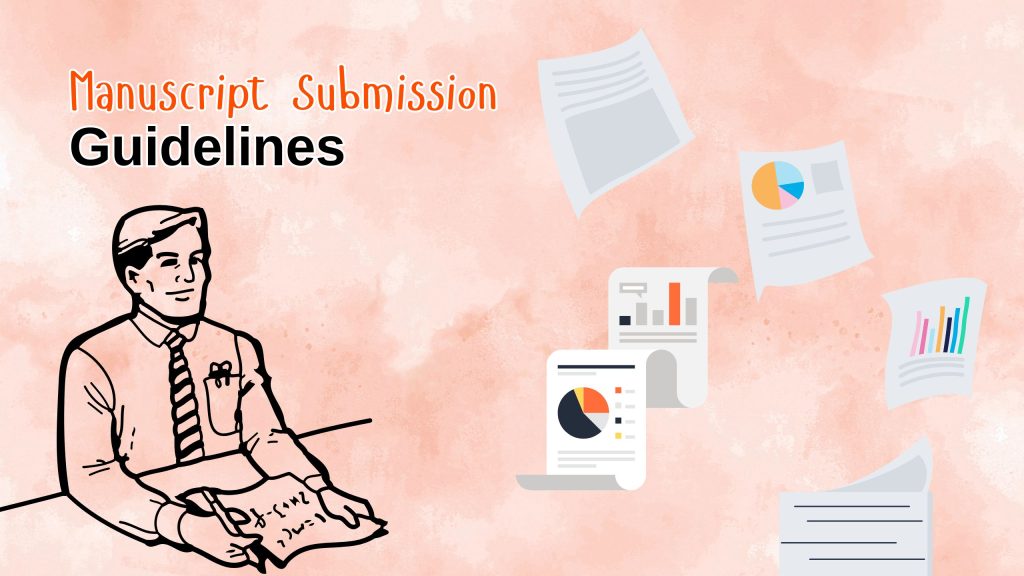
Submitting a manuscript to a journal is a important step in sharing research with the academic community. To ensure a smooth and efficient submission process, authors must adhere to specific guidelines that vary by journal but share common principles. Guidelines for authors preparing manuscripts for submission and offers insights for journals to streamline their submission processes. These guidelines aim to enhance clarity, compliance, and efficiency, benefiting both authors and editorial teams.
Journal Scope and Requirements
Before submitting a manuscript, authors must ensure their work aligns with the journal’s scope, audience, and objectives. Journals typically publish their aims and scope on their websites, detailing the types of research they prioritize, such as empirical studies, reviews, or theoretical papers.
- Action for Authors: Review the journal’s website, particularly the “Aims and Scope” and “Author Guidelines” sections. Confirm that your research fits the journal’s focus, whether it’s discipline-specific (e.g., molecular biology, sociology) or interdisciplinary.
- Action for Journals: Clearly articulate your scope and submission criteria on your website. Provide examples of accepted article types (e.g., original research, case studies, meta-analyses) and specify any restrictions, such as word count limits or methodological preferences.
Manuscript Preparation
Well-prepared manuscript adheres to the journal’s formatting, structure, and style requirements. Below are key components to consider:
a. Title and Abstract
- Title: Craft a concise, descriptive title (typically 10–20 words) that captures the essence of your research. Avoid jargon or overly broad terms.
- Abstract: Write a structured or unstructured abstract (150–300 words, depending on the journal) summarizing the research problem, methods, results, and conclusions. Ensure it’s self-contained and engaging to attract readers.
- Keywords: Include 4–8 relevant keywords to enhance discoverability in databases like PubMed or Scopus.
b. Manuscript Structure
Most journals require a standard structure, such as:
- Introduction: Outline the research problem, objectives, and significance.
- Methods: Detail the study design, materials, and procedures to ensure reproducibility.
- Results: Present findings clearly, using tables, figures, or graphs as needed.
- Discussion: Interpret results, compare with existing literature, and address limitations.
- Conclusion: Summarize key findings and suggest future research directions.
Some journals may require additional sections, such as a literature review, funding information, or ethical considerations.
c. Formatting Guidelines
- Word Count: Adhere to the journal’s word limit (e.g., 3,000–8,000 words for original research).
- Font and Spacing: Use standard fonts (e.g., Times New Roman, 12-point) and double-spacing unless specified otherwise.
- Citations and References: Follow the journal’s citation style (e.g., APA, MLA, Chicago, Vancouver). Use reference management tools like EndNote or Zotero to ensure accuracy.
- Figures and Tables: Submit high-resolution images (300 dpi or higher) in formats like JPEG, PNG, or TIFF. Include captions and ensure figures are cited in the text.
d. Language and Style
- Write clearly and concisely, avoiding jargon unless necessary.
- Use active voice where appropriate to enhance readability.
- For non-native English speakers, consider professional editing services to polish the manuscript.
3. Ethical Considerations
Ethical integrity is paramount in academic publishing. Authors and journals must adhere to ethical standards to maintain credibility.
- Authorship: List only individuals who made significant contributions to the research. Clearly define roles (e.g., data analysis, writing) and obtain consent from all co-authors.
- Plagiarism: Ensure the manuscript is original. Use plagiarism detection tools like Turnitin or iThenticate before submission.
- Conflicts of Interest: Disclose any financial or personal conflicts that could bias the research.
- Ethics Approval: For studies involving humans or animals, provide evidence of ethics approval from an institutional review board (IRB) or equivalent.
- Data Sharing: Some journals require data availability statements. Share datasets in repositories like Zenodo or Dryad, unless restricted by privacy or proprietary concerns.
Submission Process
Most journals use online submission systems like Editorial Manager, ScholarOne, or Open Journal Systems (OJS). Authors should familiarize themselves with the platform and prepare the following:
- Cover Letter: Write a concise cover letter (1 page) addressed to the editor, explaining the study’s significance, its fit with the journal’s scope, and any special considerations (e.g., suggesting reviewers or requesting fast-track review).
- Submission Files: Upload separate files as required, such as:
- Manuscript (with or without author details, depending on blind review policies).
- Figures and tables.
- Supplementary materials (e.g., datasets, appendices).
- Ethics approval documents or conflict of interest forms.
- Metadata: Enter accurate metadata (e.g., title, abstract, keywords, author affiliations) in the submission system to facilitate indexing.
Peer Review Process
After submission, manuscripts undergo peer review, which can be single-blind, double-blind, or open. Authors should prepare for the following:
- Reviewer Feedback: Expect constructive criticism on methodology, clarity, or novelty. Address reviewer comments thoroughly in a response letter, detailing how each point was addressed or why certain suggestions were not implemented.
- Revisions: Revise the manuscript promptly, adhering to deadlines (typically 2–8 weeks). Highlight changes in the revised manuscript, either through track changes or a separate document.
- Rejection: If rejected, use feedback to improve the manuscript for submission to another journal. Avoid resubmitting to the same journal unless invited.
Post-Acceptance Steps
Once accepted, authors must complete additional steps to prepare the manuscript for publication:
- Proofreading: Review proofs carefully for typographical or formatting errors. Make only minor corrections at this stage.
- Copyright and Licensing: Sign a copyright transfer agreement or select an open-access license (e.g., Creative Commons CC BY). Understand the journal’s open-access policies and associated costs, if any.
- Publication Fees: Some journals charge article processing charges (APCs), especially for open-access publications. Verify costs early to secure funding.
Common Pitfalls and How to Avoid Them
- Scope Mismatch: Avoid rejection by carefully selecting a journal aligned with your research.
- Formatting Errors: Use the journal’s template and double-check guidelines to prevent delays.
- Incomplete Submissions: Ensure all required files (e.g., figures, ethics approvals) are included.
- Poor Response to Reviewers: Address all reviewer comments systematically to improve acceptance chances.
- Missed Deadlines: Track submission and revision deadlines to maintain professionalism.
Best Practices for Journals
To facilitate high-quality submissions, journals should:
- Maintain an updated, user-friendly website with clear guidelines.
- Use automated systems to check for formatting or ethical compliance.
- Train editors and reviewers to provide constructive, timely feedback.
- Offer resources for early-career researchers, such as webinars on manuscript preparation.
- Adopt inclusive policies, such as fee waivers or multilingual submission options, to encourage diverse submissions.
Resources for Authors
- Journal Finder Tools: Use tools like Elsevier’s Journal Finder or Springer’s Journal Suggester to identify suitable journals.
- Writing Guides: Refer to resources like the American Psychological Association’s Publication Manual or COPE guidelines for best practices.
- Submission Platforms: Familiarize yourself with common platforms like Editorial Manager or ScholarOne through online tutorials.
- Professional Editing: Services like Editage or AJE can enhance manuscript quality, particularly for non-native speakers.
Successful manuscript submission requires careful preparation, adherence to journal guidelines, and a commitment to ethical standards. Authors must align their work with the journal’s scope, follow formatting and submission protocols, and engage constructively with the peer review process. Journals, in turn, should provide clear, accessible guidelines and efficient systems to support authors. By following these guidelines, authors can increase their chances of publication, and journals can maintain high standards of quality and integrity in their publications.
For further assistance, authors should consult journal websites, COPE resources, or professional editing services. Journals should regularly update their guidelines to reflect evolving publishing standards, ensuring a seamless experience for all stakeholders in the academic publishing ecosystem.